
Menopause Diet Plan for Indian Women: What to Eat, What to Limit and How to Start
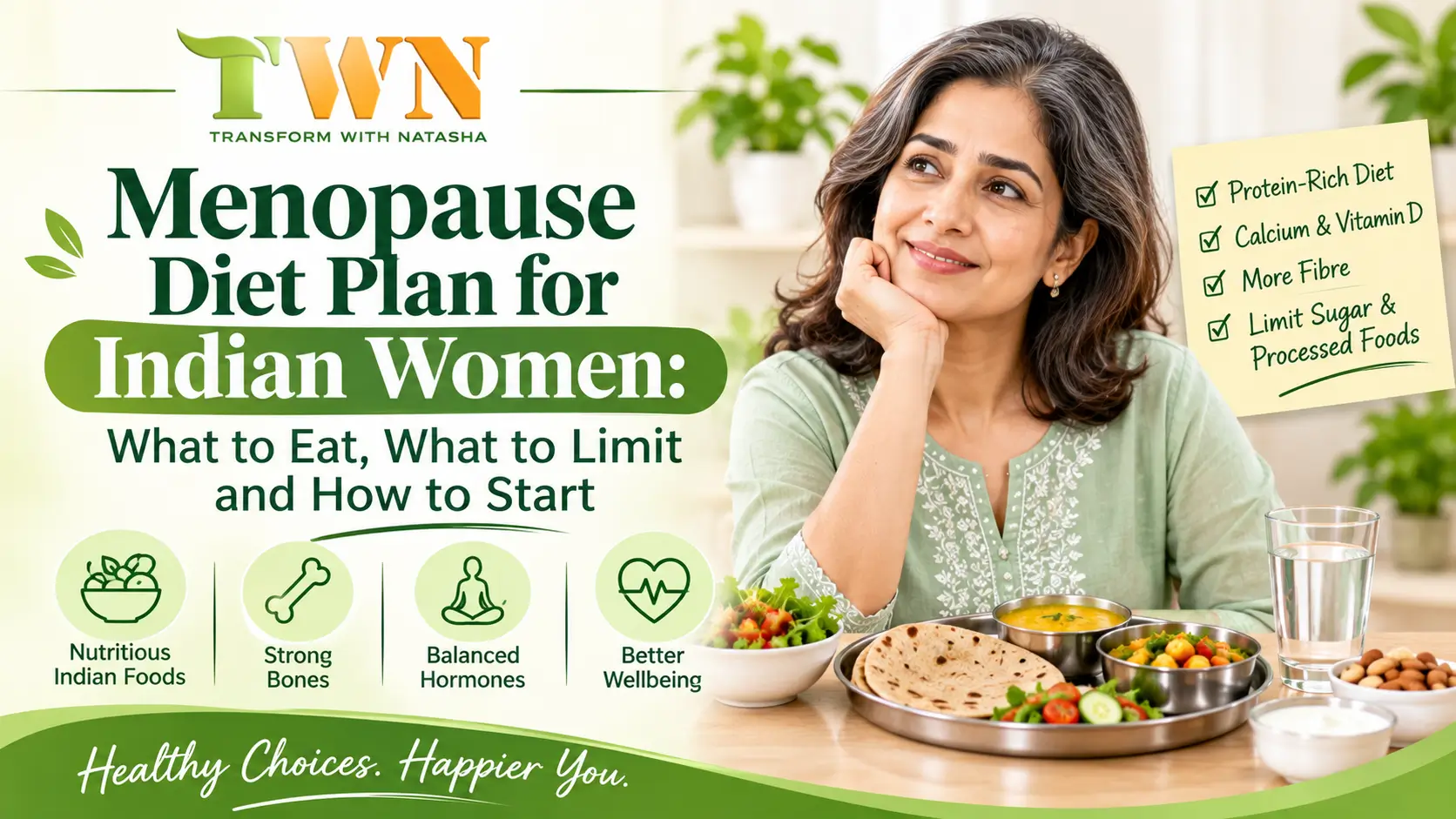
Menopause brings many changes at once. Your periods stop, your sleep may change, hot flashes may appear, and the weight that once came off easily now feels stubborn. Many women in Mumbai tell their nutritionists the same thing: “I eat the same food as before, but my body is responding differently.”
The good news is that food can support you through this stage. You do not need an extreme diet or imported superfoods. This guide explains a practical menopause diet plan for Indian women built around dal, roti, sabzi, curd and other everyday foods.
Quick answer: what should you eat during menopause?
During menopause, aim for a balanced Indian plate with enough protein, calcium-rich foods, fibre, healthy fats and plenty of vegetables. Limit sugary foods, refined snacks and too much alcohol. Eat at regular times, stay active, and review your plan with a qualified nutritionist, especially if you also have thyroid issues, diabetes or high cholesterol.
A personalised plan matters because every woman’s symptoms, health history and routine are different.
What changes in your body during menopause?
Menopause is the stage when periods stop permanently, usually in the late forties or early fifties. The years around it are called perimenopause. Hormone levels, especially oestrogen, change during this time. These changes can affect:
- Weight and body composition. Many women find it easier to gain weight around the middle and harder to maintain muscle.
- Bone health. Bones can lose density after menopause, so calcium, vitamin D and movement matter more.
- Sleep, mood and energy. Poor sleep and stress can increase cravings and appetite.
- Heart health. Cholesterol and blood pressure may need closer attention.
These changes are common and manageable. Nutrition guidance can support you, but it does not replace medical care.
The Indian menopause plate: what to include
1. Protein at every meal
Protein may help support muscle, fullness and steady energy. Good Indian options include dal, moong, chana, rajma, paneer, curd, eggs, fish, chicken and tofu. Many Indian vegetarian meals are low in protein, so check each meal and add one source when needed.
2. Calcium-rich foods
Bone health deserves attention after menopause. Milk, curd, paneer, ragi, sesame (til), green leafy vegetables and fortified foods can add calcium to your day. The NHS also lists calcium-rich foods such as milk, yoghurt and kale in its menopause lifestyle advice.
3. Vitamin D and sunlight
Vitamin D helps your body use calcium. Many urban Indian women get little sun because of indoor work and long commutes. Ask your doctor about a vitamin D blood test, and do not start high-dose supplements on your own.
4. Fibre from vegetables, fruits and whole grains
Fibre supports digestion, fullness and healthy blood sugar. Choose seasonal vegetables, fruits, millets, oats, whole wheat roti and sprouts. If bloating is a concern, our Gut Health Management Program can help you build a gentler plan.
5. Healthy fats
Include nuts, seeds (flax, chia, pumpkin), groundnut or mustard oil in sensible amounts, and fish if you eat it. Healthy fats support satiety and heart health when portions stay balanced.
Foods and habits to limit
You do not need to give up everything you enjoy. But some habits tend to work against you during menopause:
- Sugary drinks, sweets and frequent bakery snacks. They can raise cravings and make weight harder to manage.
- Very late, heavy dinners. They may affect sleep and digestion.
- Too much alcohol. It can disturb sleep, and the NHS lists cutting down on alcohol among its lifestyle tips.
- Skipping meals and crash dieting. These can lead to muscle loss, low energy and rebound eating.
- Common personal triggers. Some women notice that spicy food, hot drinks, caffeine or alcohol worsen hot flashes. Triggers vary, so track yours in a simple food diary.
A sample day of Indian menopause-friendly eating
This is a general example only. Portions and food choices should be personalised.
- On waking: A glass of water. Add jeera or fennel water if it suits you.
- Breakfast: Moong dal chilla with mint chutney and a small bowl of curd, or vegetable poha with peanuts and a boiled egg.
- Mid-morning: A seasonal fruit and a handful of almonds or walnuts.
- Lunch: One or two rotis (or a millet roti), dal, a large serving of sabzi, salad and a bowl of curd.
- Evening snack: Roasted chana, sprouts chaat or buttermilk.
- Dinner: A lighter version of lunch, such as vegetable khichdi with a protein side, or grilled fish or paneer with sautéed vegetables and one roti.
- Before bed: Warm turmeric milk or herbal tea if it suits you.
Want more ideas? Browse our healthy recipes for home-style options.
Weight gain during menopause: what helps?
Menopause weight gain is not a failure of willpower. Hormone changes, loss of muscle with age, poor sleep and stress can all play a part. A sustainable approach includes:
- Enough protein and regular meals to support muscle and control hunger.
- Strength training and daily walking. Talk to your doctor before starting a new exercise routine.
- Seven to eight hours of sleep, where possible.
- A modest, steady deficit instead of a crash diet.
- Regular check-ins so your plan adjusts to your progress and symptoms.
If weight loss is your main goal, explore our Weight Loss Program. If you have thyroid, diabetes or cholesterol concerns as well, our Health Management Program takes these into account.
Why a personalised menopause diet works better than a generic chart
Online “5-day menopause diet plans” are easy to find, but they ignore your health reports, food habits, medicines, work schedule and family meals. A generic chart cannot tell whether you need more calcium, better blood sugar control or a plan that fits night shifts and school lunch boxes.
At Transform With Natasha, plans are built around your assessment, lifestyle and goals, using simple Indian home food. There are no crash diets, extreme fasting or hard-to-find ingredients. Our Menopause Diet Plan begins with a consultation with Senior Nutritionist Natasha Kanade, and you can choose a clinic visit in Dadar or an online session from anywhere. Please check the current program features before booking.
When to see a doctor
Nutrition is one part of menopause care. Please speak to your doctor if you have:
- Heavy or unusual bleeding, or any bleeding after your periods have stopped for a year
- Severe hot flashes, mood changes or sleep problems that affect daily life
- Bone pain or a history of fractures
- Symptoms that worry you for any reason
Your doctor can also tell you whether treatments such as hormone therapy or supplements suit you.
Frequently Asked Questions
There is no single best diet. A balanced pattern with protein, calcium-rich foods, fibre, vegetables and healthy fats, matched to your health and food preferences, usually works best.
Food may help some women, but results vary. Some notice that alcohol, caffeine or spicy foods make hot flashes worse. Keeping a food diary can help you find your triggers. Speak to your doctor if hot flashes disturb your daily life.
Hormonal changes, reduced muscle mass, poor sleep and stress can all contribute. A plan with enough protein, strength training, good sleep and steady habits can help you manage it.
That depends on your diet, sun exposure and blood tests. Ask your doctor before starting supplements, and focus on food sources first.
It does not suit everyone, especially women with thyroid issues, diabetes, poor sleep or a history of low energy. Discuss any fasting pattern with your doctor and nutritionist before trying it.
Yes. Online consultations work well when your nutritionist reviews your reports and routine. Our online consultation guide explains how the first session works.
Ready to build your menopause nutrition plan?
If you are in Mumbai, visit the Dadar clinic. If you are elsewhere, join an online session. Call +91 93242 46338 or book your consultation here. You can also read how other clients have progressed on our Success Stories page. Individual results vary.
This article is for general information and does not replace medical advice. Please consult your doctor for any medical condition or before changing your medicines or supplements.